

Introduction

Bedridden patient care Taking care of a bedridden patient at home is a serious responsibility. However, with the right knowledge, tools, and mindset, it becomes manageable and even rewarding. Whether the patient is elderly, recovering from surgery, or dealing with a chronic illness, proper care can improve their comfort and quality of life. Home care for bedridden patients.
In this guide, you will learn everything about bedridden patient care at home, including hygiene, diet, emotional support, and safety tips. In addition, this article is written in simple English to ensure easy understanding for everyone. How to care for the bedridden elderly.
What is Bedridden Patient Care?
🔹 Definition
Bedridden patient care refers to the complete support provided to individuals who cannot move independently and must stay in bed for long periods. Patient care services at home.
Who Needs Bedridden Care?

- Elderly people with mobility issues
- Stroke patients
- Paralysis patients
- Post-surgery recovery patients
- Chronic illness patients
Importance of Proper Home Care
Proper care is important because it helps:
- Prevent infections and complications
- Improve mental health
- Ensure faster recovery
- Maintain dignity and comfort
Moreover, home care allows patients to stay in a familiar environment, which reduces stress and anxiety. Nursing care for bedridden patients.
Essential Tips for Bedridden Patient Care at Home
🧼 1. Maintain Personal Hygiene
Hygiene is one of the most important parts of patient care. Home healthcare tips.
Key Practices:
- Give sponge baths daily
- Change clothes regularly
- Keep skin clean and dry
- Brush teeth and clean the mouth.
👉 Cleanliness prevents infections and improves comfort.
🛏️ 2. Prevent Bed Sores (Pressure Ulcers)
Bed sores are a common problem in bedridden patients.
Prevention Tips:
- Change position every 2 hours
- Use air or water mattresses
- Keep skin dry
- Apply moisturizing lotion
👉 Early care can prevent serious complications.
🍲 3. Provide Proper Nutrition
A healthy diet is essential for recovery.
Diet Tips:
- Include protein-rich foods (dal, eggs, milk)
- Give fruits and vegetables
- Ensure proper hydration
- Follow doctor-recommended diet
👉 Good nutrition boosts immunity and strength.
💊 4. Manage Medications Properly
Medication management is critical.
Tips:
- Follow doctor’s prescription strictly
- Set reminders for medicine timings
- Store medicines safely
👉 Avoid missing doses or giving extra medicine.
🚶 5. Assist with Movement and Exercise
Even bedridden patients need some movement.
Simple Exercises:
- Leg stretching
- Hand movements
- Passive exercises
👉 This improves blood circulation and prevents stiffness.
❤️ 6. Provide Emotional Support
Mental health is just as important as physical health.
Ways to Support:
- Talk regularly
- Encourage positive thinking
- Allow family interaction
- Play music or the TV.
👉 Emotional care reduces depression and loneliness.
🚻 7. Manage Toileting Needs
Patients may need assistance with toileting.
Solutions:
- Use bedpans or urinals
- Maintain cleanliness after use
- Use adult diapers if needed
👉 Proper hygiene avoids infections.
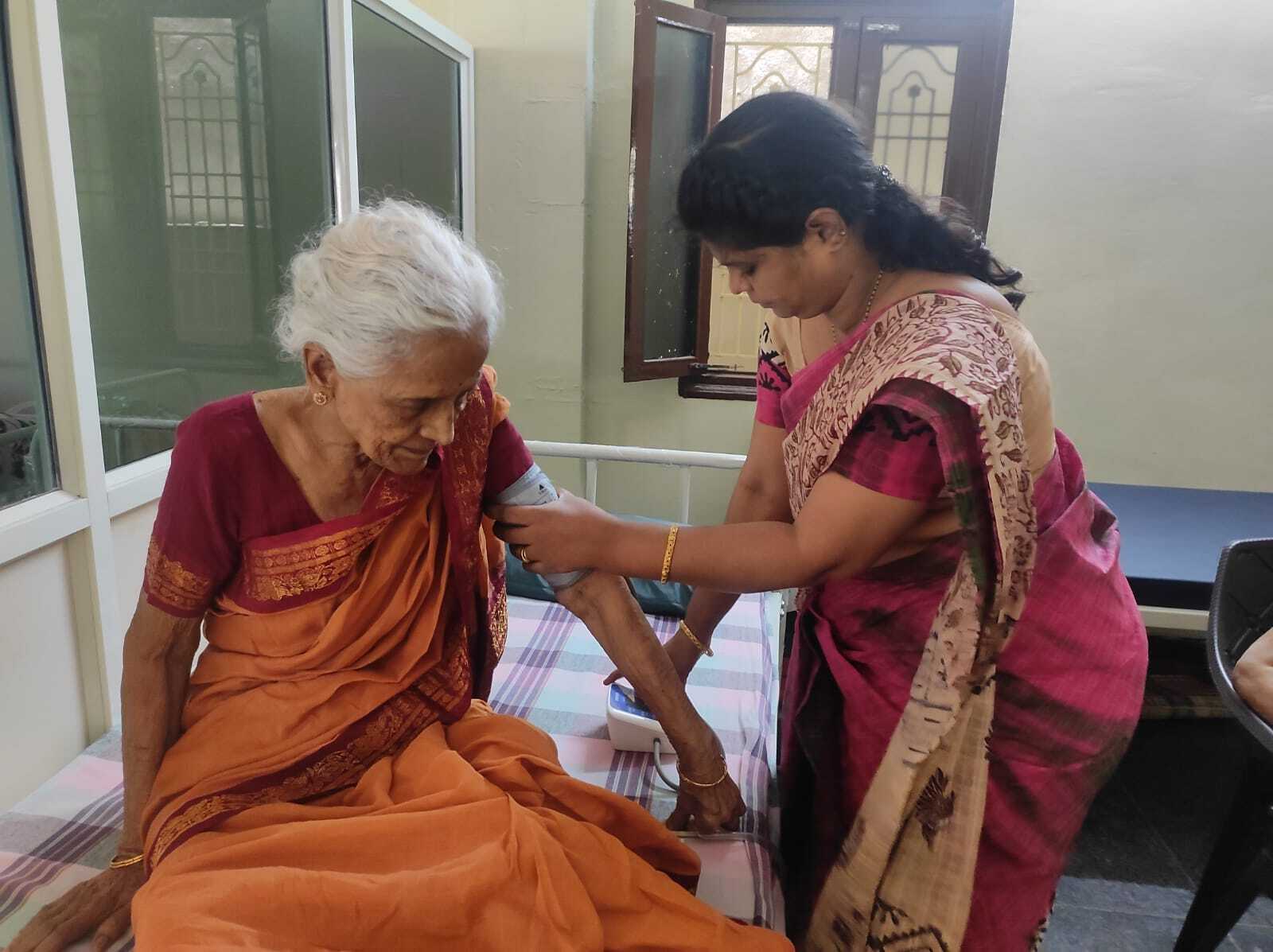
🏥 8. Monitor Health Regularly
Keep track of health conditions.
Check:
- Temperature
- Blood pressure
- Sugar levels
- Oxygen levels
👉 Early detection helps prevent emergencies.
Common Challenges in Bedridden Patient Care
Physical Challenges
- Lifting and moving patients
- Managing hygiene
Emotional Challenges
- Stress and burnout
- Lack of sleep
Financial Challenges
- Medical expenses
- Hiring caregivers
👉 However, proper planning can reduce these challenges.
Role of Professional Caregivers
Sometimes, professional help is necessary.
Benefits:
- Skilled nursing care
- Medical support
- Reduced family stress
Services Include:
- Injection and wound care
- Physiotherapy
- Daily assistance
👉 Hiring trained caregivers ensures better care quality.
Safety Tips for Home Care
- Keep surroundings clean
- Use anti-slip mats
- Install side rails on beds
- Ensure proper ventilation
👉 Safety reduces the risk of accidents.
Daily Routine for Bedridden Patients
Creating a routine helps maintain consistency.
Example Routine:
Morning:
- Cleaning and bathing
- Breakfast and medicines
Afternoon:
- Rest and light exercise
- Lunch
Evening:
- Family interaction
- Snacks
Night:
- Dinner and hygiene
- Sleep
👉 Routine improves both physical and mental health.
Equipment Needed for Home Care
Essential Items:
- Hospital bed
- Wheelchair
- Air mattress
- Bedpan/urinal
- Gloves and sanitizers
👉 Proper equipment makes caregiving easier.
Caregiver Tips for Better Management
- Stay patient and calm
- Take breaks to avoid burnout
- Ask for help when needed
- Stay organized
👉 A healthy caregiver can provide better care.
When to Seek Medical Help
Immediately contact a doctor if you notice:
- Fever
- Bed sores
- Breathing issues
- Sudden weakness
👉 Early treatment can save lives.
Advantages of Bedridden Patient Care at Home
- Comfort of home environment
- Personalized care
- Cost-effective compared to hospitals
- Family support
👉 Home care improves overall well-being.
Disadvantages to Consider
- Requires time and effort
- Lack of professional expertise
- Emotional stress
👉 However, these can be managed with proper planning.
Conclusion
In conclusion, bedridden patient care at home requires patience, knowledge, and dedication. Although it may seem difficult at first, following the right steps can make a huge difference in services.
Moreover, combining hygiene, nutrition, emotional support, and medical care ensures the patient lives comfortably and safely. If needed, do not hesitate to seek professional help.
FAQs –
1. How often should a bedridden patient be moved?
A patient should be repositioned every 2 hours to prevent bed sores.
2. What is the best diet for bedridden patients?
A balanced diet with protein, fruits, vegetables, and fluids is ideal.
3. How do you prevent bed sores?
Regular repositioning, clean skin, and air mattresses help prevent bed sores.
4. Can bedridden patients recover?
Yes, depending on the condition, proper care can improve recovery chances.
5. Is professional caregiving necessary?
Not always, but it is helpful for medical and advanced care needs.
6. How do you keep a bedridden patient happy?
Provide emotional support, talk to them, and keep them engaged.