
Chronic illnesses such as diabetes, hypertension, arthritis, and dementia affect a significant portion of the elderly population in India. Managing these conditions requires a multifaceted approach that combines medical care, lifestyle adaptation, and continuous support from family and healthcare professionals. Effective home-based chronic illness management not only improves quality of life but also reduces hospitalizations and healthcare costs. This article explores best practices for managing chronic illnesses at home and highlights how trusted providers like Akshaya Sri Care Services help patients and families navigate these challenges compassionately and efficiently.
Understanding Common Chronic Illnesses in Elderly Care
Chronic diseases like diabetes, hypertension, COPD, and dementia are widespread among Indian seniors. These illnesses often progress gradually but can lead to severe health complications without proper management. Early diagnosis and ongoing care are essential to slowing disease progression, minimizing symptoms, and enhancing daily functioning.
- Diabetes requires blood sugar monitoring, medication adherence, and dietary regulation to prevent serious complications such as neuropathy and kidney failure.
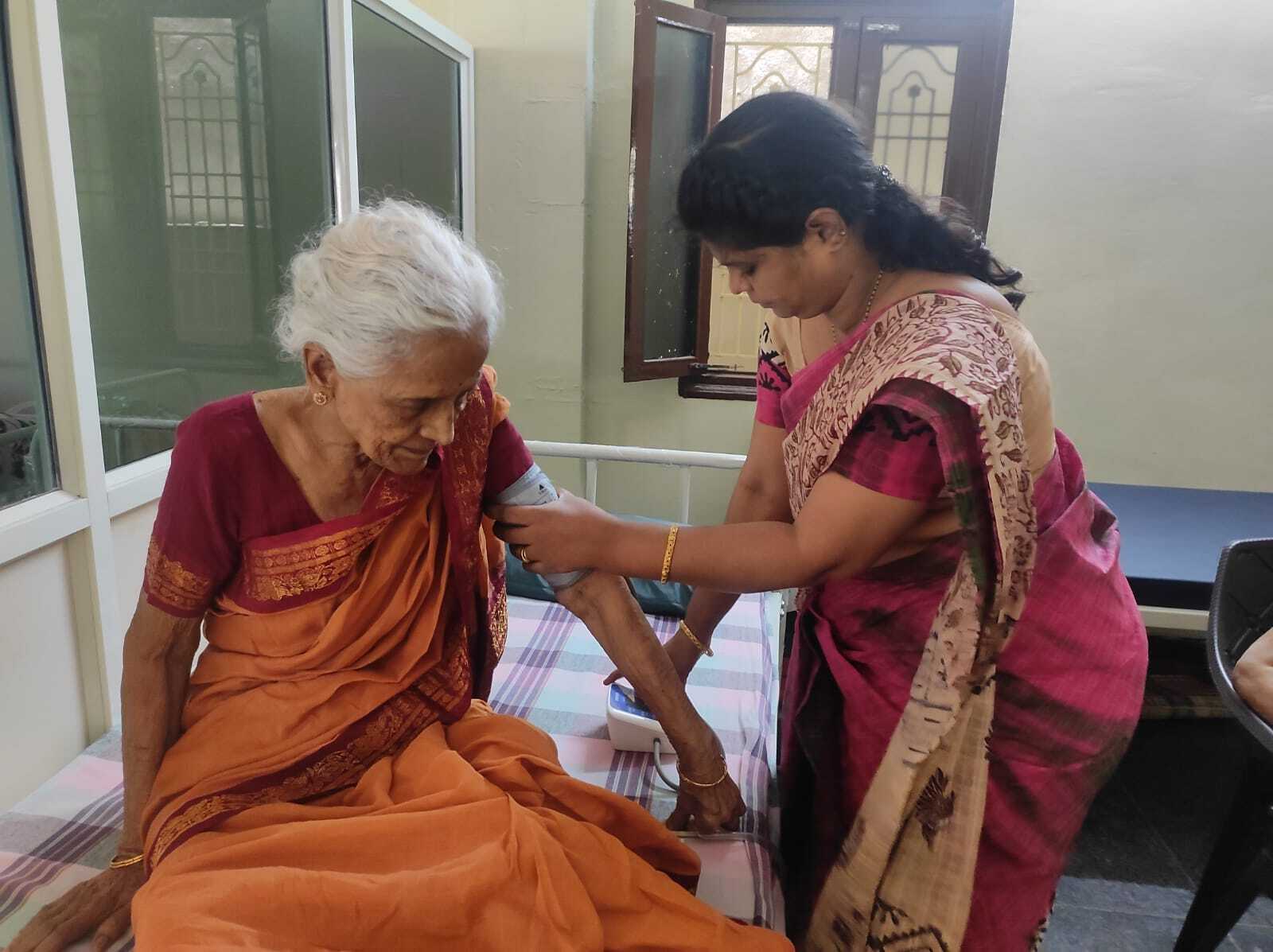
- Hypertension management includes blood pressure control through medications, regular monitoring, and lifestyle changes to reduce risks of stroke and heart attacks.
- Arthritis causes joint pain and mobility challenges; physiotherapy combined with medication eases symptoms and improves function.
- Dementia impacts memory and cognition, necessitating tailored support for safety, medication, and emotional care.
Core Components of Chronic Illness Management at Home
1. Medication Management
Administering the correct medications at prescribed times is critical. Professional caregivers assist with organizing medications, reminding patients, monitoring side effects, and communicating issues with physicians.
2. Nutrition and Diet Control
Customized diets respecting medical requirements and cultural preferences help manage symptoms and prevent exacerbations. For example, low-sodium diets for hypertension, and sugar-controlled meals for diabetes.
3. Physical Activity and Mobility
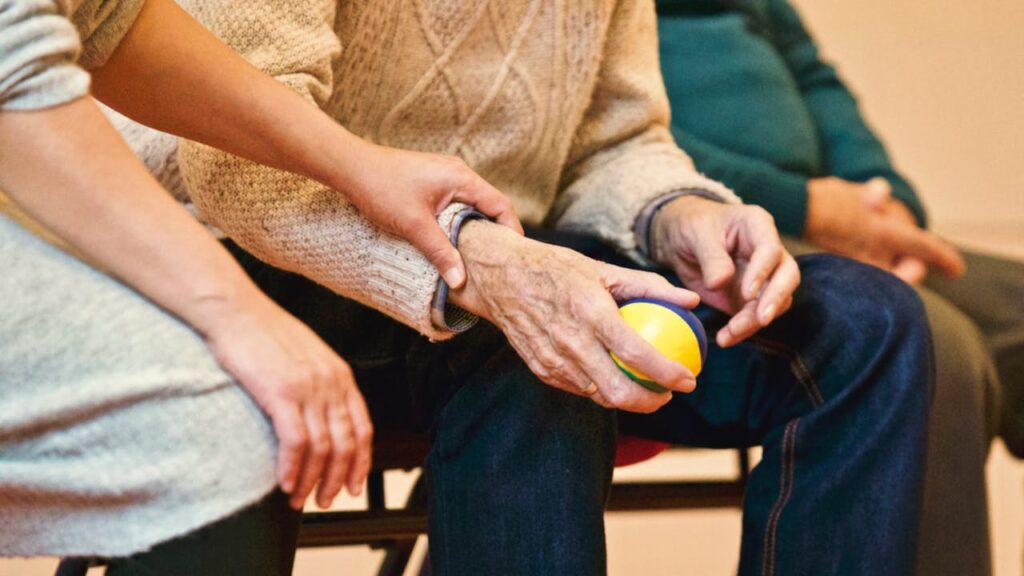
Regular, safe exercises improve cardiovascular health, joint function, and mental well-being. Trained physiotherapists guide appropriate routines based on individual limitations.
4. Regular Health Monitoring
Consistent measurement of vital signs such as blood pressure, glucose levels, oxygen saturation, and symptom tracking enables early detection of complications.
5. Cognitive and Emotional Support
Mental health care is vital, especially for dementia patients who need structured environments and cognitive stimulation to slow decline.
Role of Family and Caregivers
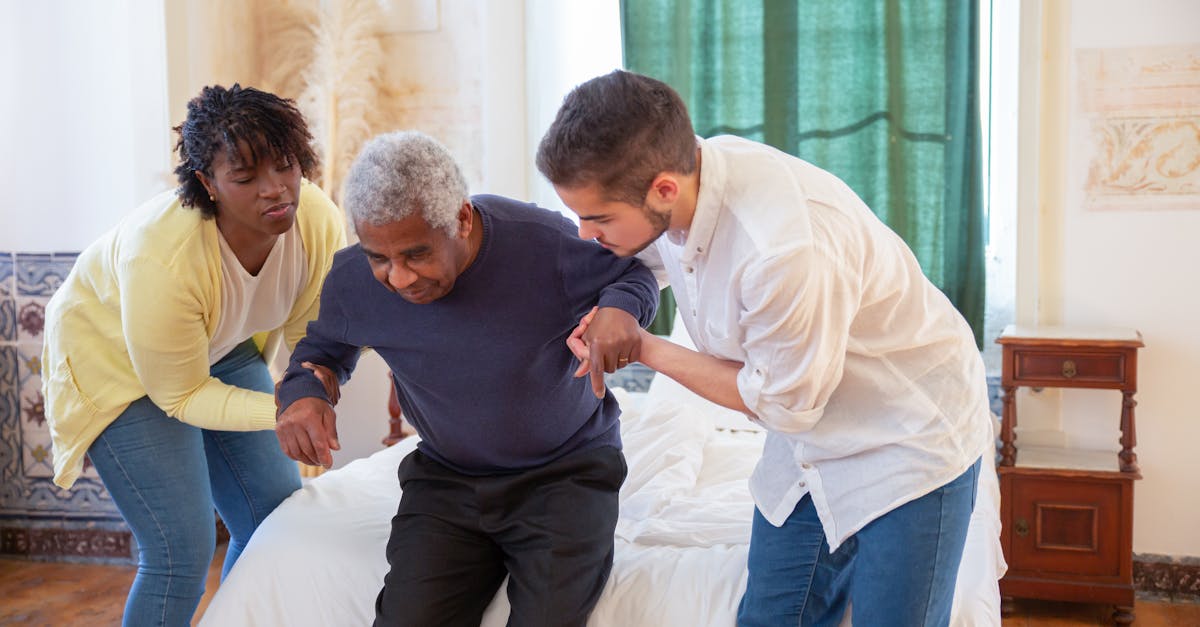
Family members are central to managing chronic illnesses at home. Their involvement in daily monitoring, medication administration, emotional encouragement, and healthy lifestyle promotion significantly influences patient outcomes. Education and support from professional care agencies like Akshaya Sri empower families, enhancing their ability to contribute effectively.
Technological Aids in Chronic Illness management
Technology enhances chronic care via:
- Remote Patient Monitoring: Wearable devices track vital stats, alerting caregivers to abnormalities.
- Telemedicine: Virtual consultations with doctors improve access without travel.
- Electronic Health Records: Facilitate coordinated care and accurate documentation.
- Medication Management Tools: Apps and automated dispensers improve adherence.
Challenges in Home-Based Chronic illness management
Managing complex medication schedules, addressing patient resistance or cognitive impairment, and preventing caregiver burnout require tailored approaches and professional support. Regular training, respite care, and counselling help overcome these barriers.
Akshaya Sri’s Comprehensive Chronic Care Plans
Akshaya Sri offers integrated care combining skilled nursing, physiotherapy, nutritional counseling, and family education. Personalized plans adapt as patient needs evolve, ensuring holistic support that reduces hospitalizations and enhances daily living.
Case Studies Highlighting Successful Outcomes
Client stories demonstrate improved mobility, fewer emergency visits, and enhanced independence. For example, a diabetic patient stabilized blood sugar levels effectively under Akshaya Sri’s home care, avoiding recurrent hospital admissions.
Preventive Measures and Health Promotion
Encouraging routine screenings, vaccinations, balanced diets, and physical activity combats disease complications. Education plays a key role in prevention.
Summary and Future Directions
The future of chronic disease management in India rests on expanding home-based care, harnessing technology, and fostering family-provider partnerships. Continued innovation promises improved outcomes, greater patient comfort, and sustainable healthcare solutions for the aging population.